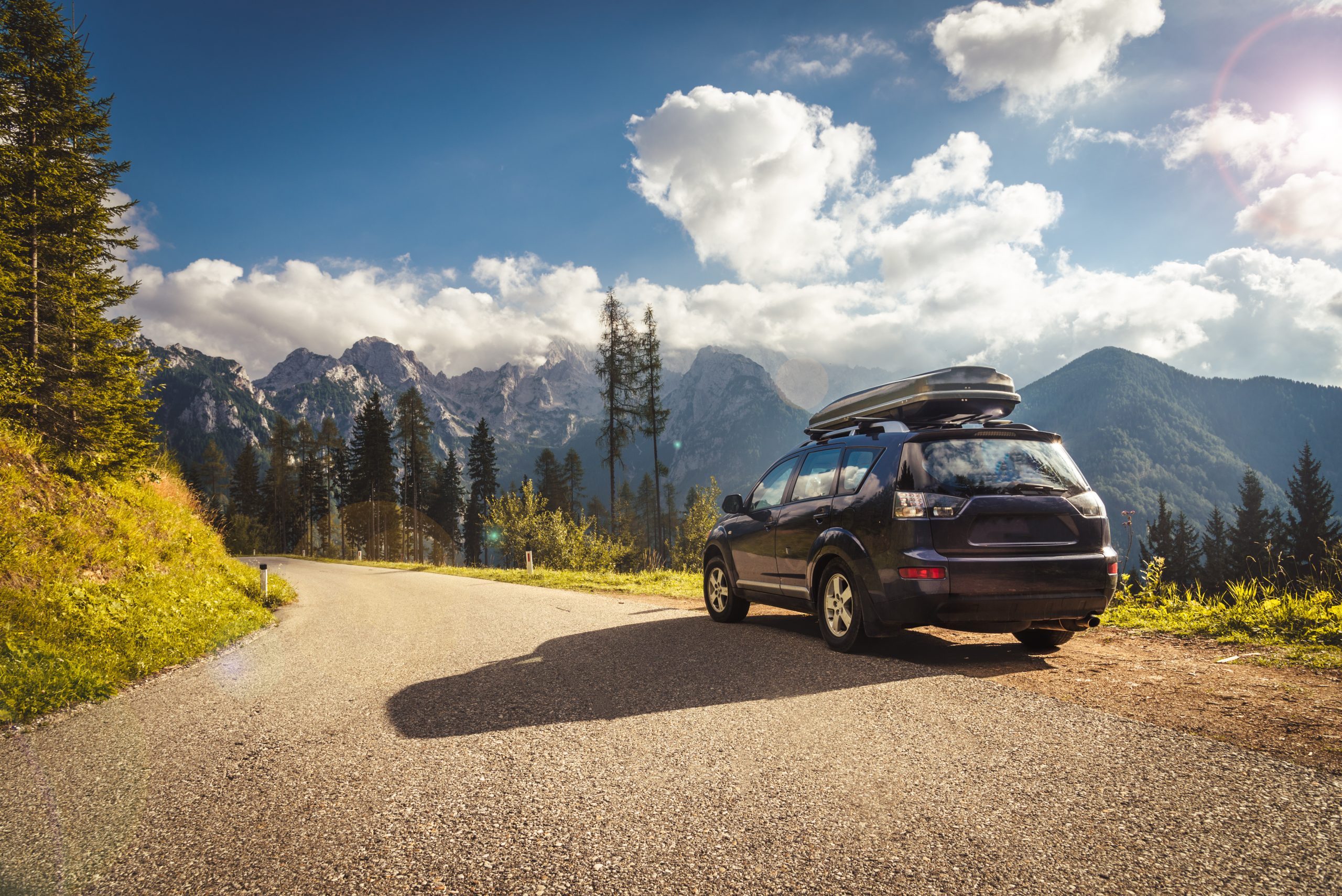
Summer in Utah is a vibrant tapestry of outdoor adventures, from exhilarating road trips to its world-renowned national parks.
With more visitors and residents spending time on Utah roads during vacation season, unfamiliar routes, long-distance trips, and heavier traffic can create additional chances for crashes.
The period between Labor Day and Memorial Day is known by Utah transportation officials as the “100 Deadliest Days,” when traffic fatalities usually increase.
And being familiar with the top causes of summer car accidents is a critical step toward proactively staying safe and knowing your legal options if the unexpected happens.
In this article, we’ll discuss the top 5 risks that are particularly important for Utah drivers to understand during summer travel. Let’s start!
Here, I’ve outlined the top five causes and provided essential tips to protect yourself and your loved ones on Utah’s roads:
Just imagine that you drove through Salt Lake City while following GPS directions. Your phone announces an unexpected turn, and you look down for 2 seconds.
In the meantime, traffic ahead has stopped.
During summer trips, distractions usually include:
GPS Navigation → Looking at maps instead of traffic
Passengers → Turning around to talk or manage children
Phones → Reading messages, changing music, or taking pictures
Sightseeing → Watching scenery instead of road conditions
According to the Utah Highway Safety Office, distracted driving remains a serious roadway safety concern.
My advice: Missing an exit costs a few minutes. But trying to recover it with an unsafe maneuver could cost much more.
Under Utah Code § 41-6a-1716, Utah also restricts particular handheld-device activities.
Vacation schedules often create some pressure too. Drivers want to beat traffic, reach their hotels, or make the most of the limited time.
But speeding decreases the time available to recognize and respond to danger.
Common summer scenarios include:
Taking canyon curves faster than conditions permit
Aggressively driving on I-15 during holiday congestion
Maintaining highway speeds during summer rain
Passing slower vehicles without enough clearance
The Utah Highway Safety Office’s statewide report states that speeding is a significant contributor to the most fatal crashes.
According to the Utah Code § 41-6a-601, drivers need to operate at a speed reasonable for existing conditions.
Remember: Driving at the posted speed limit doesn’t always mean you are driving safely.
A driver leaves at 5 a.m. to avoid traffic. 7 hours later, they are struggling to keep their eyes open but continue as the destination is close.
That’s a pretty risky decision.
That’s why you have to watch warning signs:
Heavy eyelids or repeated yawning
Difficulty remembering the last few miles
Drifting between lanes
Missing road signs or exits
In addition, the NHTSA warns that fatigue impairs overall driving performance and significantly increases crash risk.
What actually helps?
Get enough sleep before your departure
Stop somewhere safe when drowsiness appears
When possible, share driving responsibilities
Never treat caffeine as a substitute for sleep
Arriving late is inconvenient. Falling asleep behind the wheel can permanently change lives.
Summer means lake trips, barbecues, and holiday gatherings.
Unfortunately, celebrations end with impaired drivers getting behind the wheel sometimes.
Impairment can include:
Alcohol consumed during social gatherings
Combining substances that make impairment worse
Recreational drugs affecting judgment and coordination
Prescription medications that cause slower reactions or drowsiness
In Utah Code § 41-6a-502, Utah’s impaired-driving laws are properly addressed.
A legal distinction worth understanding: A DUI charge & a personal injury claim are totally separate matters. A victim must establish the legal requirements for civil liability, even if there are chances of impairment.
So before the celebration starts, make sure you arrange a sober ride.
It’s not the heavy traffic that always causes accidents. That being said, what drivers do in that traffic makes the difference.
Consider the busy stretch of I-15. One vehicle suddenly brakes, and another follows too closely. And as if that’s not enough, a third one changes lanes without enough space.
In this scenario, different vehicles may collide within seconds.
Common mistakes include:
Following too closely
Cutting across lanes near exits
Failing to check blind spots
Making sudden turns or failing to yield
Utah Code § 41-6a-711 addresses following another vehicle too closely.
Is the rear driver always responsible? Not necessarily. Investigators should consider the circumstances, including available evidence and each driver’s actions.
Not all summer accidents include one of the five behaviors I highlighted above.
Some other summer hazards also deserve attention:
Summer Hazard | Why It Matters |
Sudden thunderstorms | Reduced visibility and slippery pavement |
Wildlife crossings | Unexpected animals on rural highways |
Road construction | Lane closures and abrupt traffic changes |
Inexperienced drivers | Difficulty handling unfamiliar conditions |
Canyon roads | Curves, changing elevations, and limited visibility |
All these conditions can increase the risk of accidents. Yet, they don’t just establish negligence automatically, without any evidence.
Before you leave, use this very quick checklist:
Check traffic and construction updates through UDOT Traffic.
Inspect lights, fluids, brakes, and tires.
Allow extra travel time and plan rest stops.
Program your destination before you drive.
Check weather conditions before entering rural routes or mountains.
Maintain enough following distance.
Make sure everyone follows proper precautions, especially wearing a seat belt.
Sharing Utah highways with commercial vehicles? Read our guide on how to drive safely around large trucks.
If you were on vacation and an accident interrupts it, the first thing you need to focus on is your health and then preserving the important information.
Follow these steps:
Get to Safety: Move away from traffic for safety if easily possible
Call for Help: Immediately contact emergency services when necessary
Seek Medical Attention: Some injuries become noticeable later, so early action in terms of medical care is essential
Document Everything: Photograph damage, vehicles, road conditions & all of your visible injuries
Preserve Information: Gather insurance details and witness contacts, preferably with the help of a skilled car accident attorney
Note: When an out-of-state driver or tourist is involved, documenting the whole scene becomes mandatory, as obtaining evidence later can become super difficult.
Liability typically depends on causation, negligence, and the available evidence.
According to the Utah Code § 78B-5-818, comparative fault can impact an injured person’s ability to recover damages.
Let’s say, if there are multiple drivers involved in a crash, their respective actions can really influence the overall outcome.
At Hernandez Injury Law, the main question isn’t just “who received the citation.” It’s “what actually caused the accident & what evidence supports that conclusion.”
If you or a loved one has been injured in a summer car accident in Utah, do not delay.
It is critical to act swiftly, as insurance companies are primarily focused on protecting their bottom line, not on ensuring you receive the full and fair compensation you deserve.
While Utah has a four-year statute of limitations for most personal injury claims, initiating legal action promptly allows for the preservation of crucial evidence and timely investigation.
Contact The Law Offices of Roberto Hernandez today for a free, no-obligation consultation.
Summer travel creates additional risks. However, determining whether crashes are more frequent requires comparing seasonal crash statistics officially.
Yes, of course. A visiting out-of-state driver can face civil liability when their negligence leads to an accident in Utah.
Yes. Heavy rain and sudden thunderstorms, as well as reduced visibility, can increase the risk of accidents, particularly on mountain roads and highways.
In general, Utah permits a 4-year timeline to file a personal injury lawsuit, as per the Utah Code § 78B-2-307. But still, exceptions exist, and sometimes, shorter deadlines can apply.